Introduction
Cloud computing has revolutionized the way businesses operate and how software is developed, deployed, and managed. In recent years, the adoption of cloud technologies has grown exponentially, offering numerous benefits to organizations of all sizes. This blog post explores the significant impact of cloud computing on the software industry, examining its advantages, challenges, and future trends.
Advantages of Cloud Computing for Software Development
1. Scalability and Flexibility: Cloud platforms provide on-demand access to computing resources, allowing software developers to scale applications up or down based on demand. This elasticity is crucial for handling varying workloads efficiently and cost-effectively.
2. Cost Efficiency: Cloud computing reduces upfront infrastructure costs by eliminating the need for organizations to invest in and maintain physical servers. Instead, businesses pay for the resources they use, making it a more cost-effective option, especially for startups and small businesses.
3. Enhanced Collaboration: Cloud-based development tools and platforms enable geographically dispersed teams to collaborate in real-time. Developers can access shared code repositories, collaborate on projects simultaneously, and integrate feedback seamlessly.
4. Faster Time-to-Market: Cloud environments streamline the software development lifecycle by providing automated deployment pipelines and continuous integration/continuous deployment (CI/CD) capabilities. This accelerates the release of new features and updates to end-users.
Transformation of Software Delivery Models
1. Software as a Service (SaaS): Cloud computing has popularized the SaaS model, where software applications are hosted and maintained by a third-party provider and accessed via the internet. SaaS offers advantages such as lower costs, automatic updates, and accessibility from any device with an internet connection.
2. Platform as a Service (PaaS): PaaS provides a platform and environment for developers to build, deploy, and manage applications without having to manage underlying infrastructure. It accelerates development cycles by providing pre-configured development tools and frameworks.
3. Infrastructure as a Service (IaaS): IaaS offers virtualized computing resources over the internet, including servers, storage, and networking. It gives developers more control over their infrastructure while eliminating the need for physical hardware and maintenance.
Challenges and Considerations
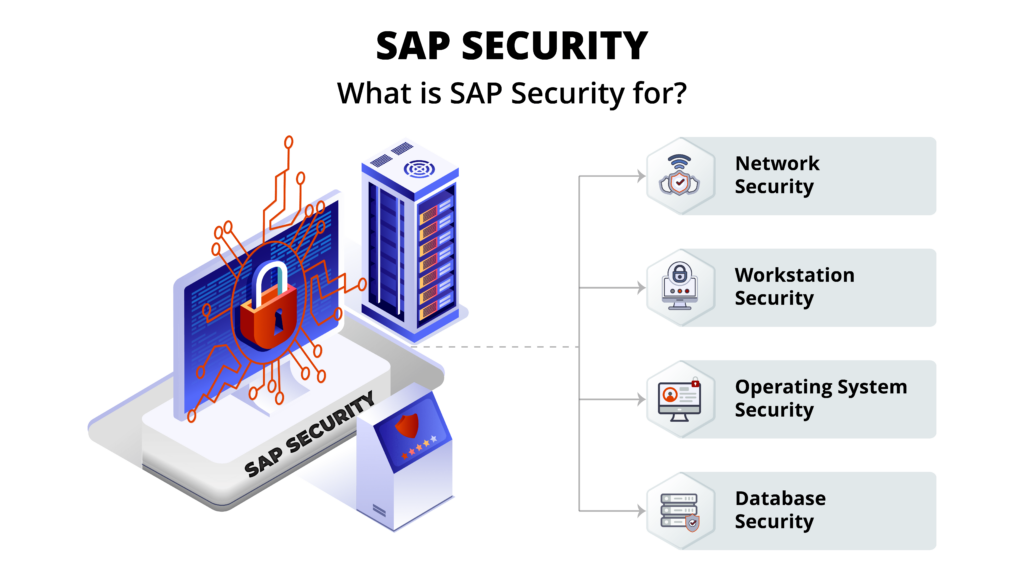
1. Security Concerns: While cloud providers invest heavily in security measures, storing sensitive data and applications off-premises raises concerns about data breaches, compliance, and data sovereignty. Organizations must implement robust security measures and adhere to industry regulations.
2. Vendor Lock-in: Adopting specific cloud platforms or services can lead to vendor lock-in, making it challenging to migrate applications to another provider or back on-premises. Interoperability and portability should be considered when designing cloud-based solutions.
3. Performance and Reliability: Dependence on internet connectivity and reliance on a single cloud provider can impact performance and reliability. Organizations should implement redundancy and disaster recovery strategies to mitigate potential downtime.
Future Trends in Cloud Computing
1. Hybrid and Multi-Cloud Adoption: Organizations are increasingly adopting hybrid and multi-cloud strategies to leverage the strengths of different cloud providers and mitigate risks associated with vendor lock-in and downtime.
2. Edge Computing: Edge computing, where data processing occurs closer to the data source (e.g., IoT devices), is gaining traction. It enhances real-time data processing, reduces latency, and conserves bandwidth by processing data locally.
3. Serverless Computing: Serverless computing abstracts infrastructure management entirely, allowing developers to focus on writing code without managing servers. It offers cost-efficiency, scalability, and faster time-to-market for applications.
Conclusion
Cloud computing has reshaped the software industry by offering scalability, cost-efficiency, and agility to businesses worldwide. From accelerating software development cycles to enabling new delivery models like SaaS and PaaS, cloud technologies continue to drive innovation and transformation. While challenges such as security, vendor lock-in, and performance remain, ongoing advancements and adoption of hybrid and multi-cloud strategies are paving the way for a more resilient and interconnected future. Embracing cloud computing empowers organizations to stay competitive, innovate faster, and deliver value to customers in a rapidly evolving digital landscape.